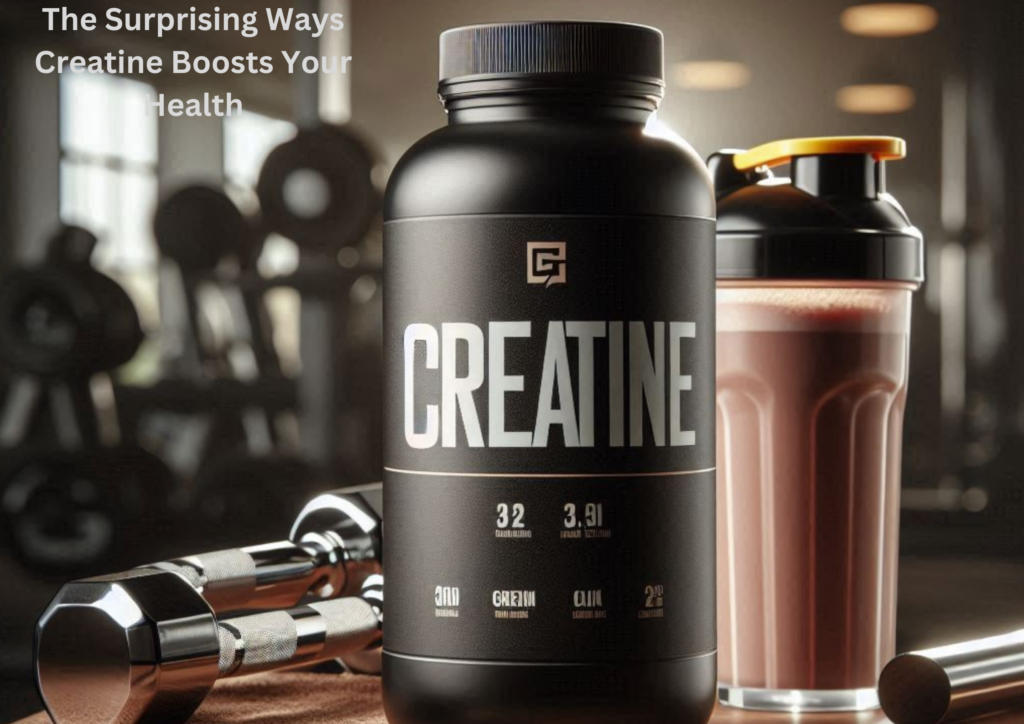
 Creatine is a popular supplement among athletes and bodybuilders, known for its ability to enhance physical performance and muscle growth. However, many people need to realize that creatine offers many benefits, even for those who don’t exercise regularly. In this article, we’ll explore the unexpected advantages of taking creatine without working out and answer frequently asked questions about this versatile supplement.
What is Creatine?
Before discussing the benefits, let’s briefly discuss creatine. Creatine is a naturally occurring compound found in small amounts in certain foods, particularly red meat and seafood. The body produces it in the liver, kidneys, and pancreas. Creatine plays a crucial role in energy production within our cells, especially during high-intensity, short-duration activities.
Benefits of Creatine Beyond Exercise
While creatine is often associated with athletic performance, its benefits extend beyond the gym. Here are some surprising advantages of taking creatine, even if you’re not working out regularly:
- Cognitive Function and Brain Health
One of the most exciting areas of creatine research is its potential impact on brain function. Studies have shown that creatine supplementation can improve various aspects of cognitive performance, including:
– Memory and learning
– Attention and focus
– Processing speed
– Mental fatigue resistance
These benefits are particularly pronounced in vegetarians and older adults, who may have naturally lower creatine levels. By enhancing energy production in brain cells, creatine may help support overall cognitive health and potentially reduce the risk of neurological disorders.
- Mood and Mental Health
Emerging research suggests that creatine may positively affect mood and mental health. Some studies have found that creatine supplementation can:
– Reduce symptoms of depression
– Improve mood in individuals with treatment-resistant depression
– Potentially alleviate symptoms of anxiety and stress
While more research is needed, these findings are promising and highlight creatine’s potential as a supportive therapy for mental health conditions.
- Muscle Health and Maintenance
Even without exercise, creatine can help maintain muscle mass and strength, especially in older adults or those with conditions that cause muscle wasting. This is particularly beneficial for:
– Preventing age-related muscle loss (sarcopenia)
– Supporting muscle health during periods of inactivity (e.g., bed rest or injury recovery)
– Potentially improving muscle function in certain neuromuscular disorders
- Bone Health
Some studies suggest that creatine may positively affect bone density and strength. This could be particularly beneficial for:
– Older adults at risk of osteoporosis
– Individuals with conditions that affect bone health
– Supporting overall skeletal health throughout life
- Heart Health
While more research is needed, some studies indicate that creatine may have cardiovascular benefits, including:
– Potentially lowering homocysteine levels, a risk factor for heart disease
– Supporting heart muscle function
– Possibly improving exercise capacity in individuals with heart failure
- Glucose Metabolism
Creatine may play a role in improving glucose metabolism, which could be beneficial for:
– Enhancing insulin sensitivity
– Potentially supporting blood sugar control in individuals with type 2 diabetes
– Improving overall metabolic health
- Skin Health and Anti-Aging
Some research suggests that creatine may have anti-ageing effects on the skin when applied topically or orally. Potential benefits include:
– Reducing wrinkles and fine lines
– Improving skin hydration
– Enhancing skin elasticity
- Pregnancy and Fetal Development
Emerging research indicates that creatine may have protective effects during pregnancy and fetal development, potentially:
– Supporting fetal brain development
– Reducing the risk of certain complications during pregnancy
– Improving outcomes in cases of fetal oxygen deprivation
Frequently Asked Questions (FAQs)
To address common concerns and provide more information about taking creatine without working out, here are some frequently asked questions:
Q1: Is it safe to take creatine if I don’t exercise regularly?
A: Yes, creatine is generally considered safe for most people, even without regular exercise. However, as with any supplement, it’s always best to consult with a healthcare professional before starting, especially if you have any pre-existing medical conditions or are taking medications.
Q2: Will I gain weight if I take creatine without working out?
A: You may experience a slight increase in weight due to water retention, as creatine causes muscles to hold more water. However, this is typically minimal and temporary. Creatine alone does not cause fat gain.
Q3: How much creatine should I take if I’m not working out?
A: The standard recommended dose is 3-5 grams daily, regardless of exercise habits. Some people do a “loading phase” of 20 grams per day for 5-7 days before dropping the maintenance dose, but this isn’t necessary for everyone.
Q4: Do I need to cycle creatine?
A: Cycling (taking breaks from) creatine is unnecessary and optional for most people. Long-term studies have shown that continuous use is safe for healthy individuals.
Q5: Can creatine help with weight loss?
A: While creatine isn’t a weight loss supplement, it may indirectly support weight management by improving metabolic health and potentially increasing non-exercise activity thermogenesis (NEAT).
Q6: Are there any side effects of taking creatine without exercising?
A: Side effects are generally mild and may include bloating or stomach discomfort, especially during the initial stages of supplementation. Staying well-hydrated can help minimize these effects.
Q7: How long does it take to see benefits from creatine supplementation?
A: Some cognitive benefits may be noticeable within a week or two, while other effects may take several weeks to become apparent. Consistency is vital when it comes to creatine supplementation.
Q8: Can women take creatine?
A: Absolutely! The benefits of creatine apply to both men and women, and there’s no reason for women to avoid creatine supplementation.
Q9: Does the form of creatine matter (e.g., powder vs. capsules)?
A: The most studied form is creatine monohydrate powder, typically the most cost-effective. However, capsules can be convenient for some people. The critical factor is getting the correct dose consistently.
Q10: Can creatine replace a healthy diet?
A: No, creatine should be viewed as a supplement to, not a replacement for, a balanced diet. Maintaining a nutritious eating plan is essential to support overall health and maximize the benefits of creatine supplementation.
Conclusion
While creatine is often associated with athletic performance and muscle building, its benefits extend beyond the gym. From supporting brain health and cognitive function to potentially improving mood, bone density, and skin health, creatine offers various advantages for non-exercisers and athletes. As with any supplement, it’s essential to use creatine responsibly and consult a healthcare professional if you have any concerns. By understanding the diverse benefits of creatine, you can decide whether this versatile supplement is right for you, regardless of your exercise habits.