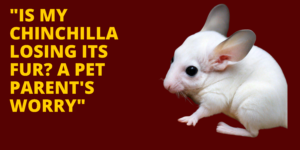
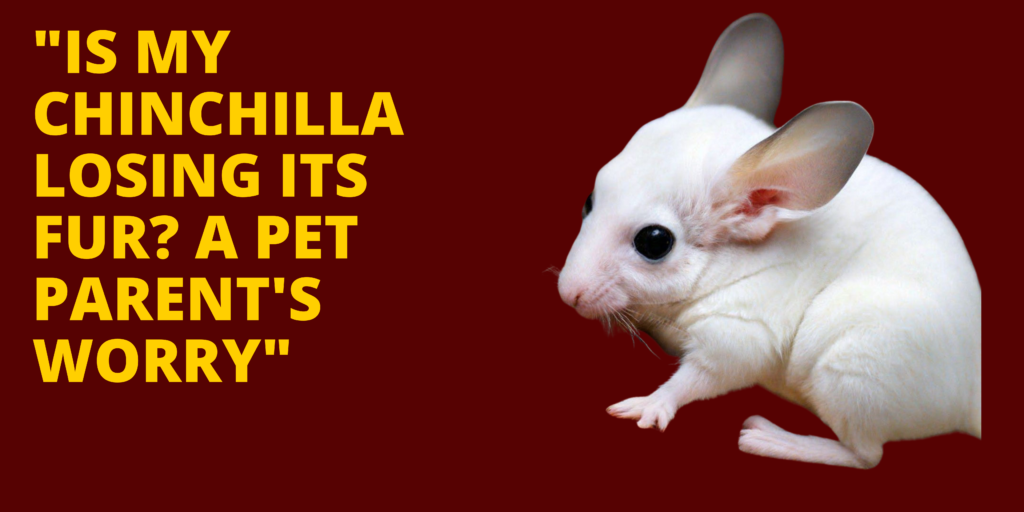
 As a chinchilla owner, it’s not uncommon to feel concerned when you notice that your beloved pet’s once soft and fluffy fur is thinning or, worse, disappearing altogether. Chinchillas are known for their beautiful, dense coats, so when their fur starts to fall out, it can be a cause for worry. But is this normal? Should you be alarmed, or is it simply part of their natural behaviour? Let’s explore the reasons behind a bald chinchilla and what pet parents should do if they notice signs of fur loss.
Understanding Chinchilla Fur
Chinchillas have some of the densest fur of any land mammal. Their thick, luxurious coats are not only stunning but serve a crucial purpose: keeping them warm in the cold environments of the Andes Mountains, their native habitat in South America. A chinchilla’s fur grows in two layers: the soft undercoat and the coarser guard hairs on top. This double-layered fur provides both insulation and protection.
Fur loss in chinchillas can be concerning because their coats are a big part of their identity. However, it’s essential to understand that some degree of fur loss can be entirely normal. Chinchillas undergo natural moulting cycles, and various factors, from Diet to stress, can influence their fur health. So, if your chinchilla starts losing fur, it’s important to determine the cause and whether it’s something to worry about.
Common Causes of Fur Loss in Chinchillas
- Molting Just like other animals, chinchillas experience a shedding process known as moulting. Molting is entirely natural and typically happens twice a year, once in the spring and once in the fall. During this time, your chinchilla may shed their old fur to make room for new growth. This is usually a gradual process and should result in something other than bald patches.
- Signs of moulting:
- Fur shedding in small amounts
- A more noticeable coat change over time
- Increased grooming behaviour
- If you notice that your chinchilla is shedding more than usual, it could be part of its natural cycle, and there’s no need to panic.
- Stress Stress is one of the most common causes of fur loss in chinchillas. Like many small animals, chinchillas can be highly sensitive to changes in their environment. A new home, loud noises, or even an unfamiliar pet can cause a chinchilla to experience stress, which can, in turn, affect their fur. Stress-induced fur loss can lead to patchy baldness or thinning in certain areas.
- Signs of stress-related fur loss:
- Bald patches on the body or face
- Excessive Grooming or scratching
- Restlessness or lethargy
- Stress can also cause behavioural changes, so if a change in its behaviour accompanies your chinchilla’s fur loss, stress may be the culprit.
- Poor Diet A well-balanced diet is essential for maintaining a chinchilla’s health, including the health of their fur. A poor diet lacking essential nutrients, such as vitamin C, can lead to fur loss. Chinchillas require a high-fibre diet that mainly consists of hay, supplemented with small amounts of pellets and fresh vegetables. A deficiency in essential nutrients can weaken their fur, causing it to fall out more easily.
- Signs of dietary issues:
- Dry, brittle fur
- Weight loss
- Lethargy or lack of energy
- If your chinchilla isn’t eating properly, or if you’ve recently changed their food, it could be contributing to the fur loss. Ensure that they have access to high-quality hay and proper nutrition.
- Health Problems and Parasites Several health conditions can cause fur loss in chinchillas. Parasites, such as mites, fleas, or lice, are common culprits. These tiny pests can irritate the skin and lead to hair loss, especially around the neck, back, and tail area. Fungal infections, such as ringworm, can also cause hair to fall out in patches, along with scaly or irritated skin.
- Signs of health-related fur loss:
- Bald patches that are not linked to moulting
- Itchy or irritated skin
- Red or inflamed skin
- Scabs or sores
- Visible pests or lice on the fur
- If your chinchilla is experiencing these symptoms, it’s important to seek veterinary care immediately. A vet will be able to diagnose the problem and recommend treatment.
- Hormonal Imbalances Like many animals, chinchillas can experience hormonal imbalances that may lead to fur loss. Conditions such as adrenal disease, which affects the adrenal glands, can cause thinning of the fur, especially around the tail and back. This type of fur loss is typically gradual and may not be as noticeable in the early stages.
- Signs of hormonal imbalances:
- Gradual thinning of the fur, particularly around the tail
- Changes in behaviour or activity levels
- Weight gain or loss
- If you suspect a hormonal imbalance, it’s best to consult a veterinarian who specializes in exotic animals to have your chinchilla properly evaluated.
How to Prevent and Address Fur Loss in Chinchillas
- Maintain a Stress-Free Environment Chinchillas are sensitive to their surroundings, so it’s important to create a peaceful environment for them. Make sure they have a quiet, safe place to live, away from loud noises and disturbances. Ensure they have a proper sleeping area, plenty of space to move around, and opportunities for play and exercise.
- Provide a Balanced Diet A high-fiber diet is crucial for maintaining your chinchilla’s overall health. Make sure they have access to unlimited hay, and provide a small amount of high-quality pellets designed specifically for chinchillas. You can also offer a variety of fresh vegetables, but avoid sugary fruits or high-calcium foods, as they can contribute to health problems. If you need more clarification about your chinchilla’s Diet, consult a veterinarian for recommendations.
- Regular Grooming Even though chinchillas have dense fur, they don’t require regular brushing like some other pets. However, Grooming is important to prevent mats and tangles and to check for signs of parasites. Use a gentle chinchilla brush to remove loose fur during moulting seasons. Be careful not to over-brush, as this can cause stress.
- Vet Checkups Regular checkups with a vet who specializes in exotic pets are essential for ensuring that your chinchilla is in good health. If you notice any unusual fur loss or other concerning symptoms, schedule a visit as soon as possible. A vet can perform tests to check for parasites, hormonal imbalances, or other health issues that could be affecting your chinchilla’s fur.
Frequently Asked Questions (FAQs)
Q: Is it normal for my chinchilla to lose fur?
A: Some fur loss is normal, particularly during moulting seasons when chinchillas shed old fur to make way for new growth. However, excessive or patchy fur loss, or fur loss accompanied by other symptoms, may indicate a health problem.
Q: How do I know if my chinchilla is stressed?
A: Stress can lead to fur loss and other behavioural changes. Signs of stress in chinchillas include excessive Grooming, irritability, lethargy, or aggressive behaviour. Changes in their environment or routine can often cause stress.
Q: How can I treat my chinchilla’s fur loss?
A: Treatment depends on the underlying cause. If your chinchilla is losing fur due to stress, consider adjusting its environment to be more calming. If it’s due to a health condition, such as a parasite or hormonal imbalance, seek advice from a veterinarian for proper treatment.
Q: Can I use regular shampoo for bathing my chinchilla?
A: No, chinchillas should never be bathed with water, as it can cause their fur to mat and lead to skin infections. Instead, chinchillas use dust baths to keep clean. Always provide them with clean, fine chinchilla dust to roll in.
Conclusion
Fur loss in chinchillas can be a worrying experience for pet parents, but it’s important to remember that not all fur loss is a sign of something serious. If your chinchilla’s fur loss seems excessive or is accompanied by other symptoms like irritated skin or behavioural changes, it’s always best to consult with a veterinarian. By maintaining a stress-free environment, providing a balanced diet, and scheduling regular checkups, you can ensure that your chinchilla stays healthy and happy for years to come